

Postpartum Without the Baby: Why Relinquishing Mothers Deserve Better Support

Let's talk about something nobody wants to talk about.
You made an adoption plan for your baby. You went through labor and delivery. You held your child, or maybe you didn't. You signed the papers. And now you're home, without the baby, but with all the physical recovery, the hormonal chaos, and a grief so heavy it feels like it might swallow you whole.
And when you try to talk about how you're feeling? People tell you it's just grief. That you need time. That you made your choice, so you should find peace with it.
Here's what I need you to know: Your body and mind are processing a massive shift, and your reaction makes total sense.
And you deserve the same support, validation, and clinical care as any other mother in NYC recovering from birth, maybe even more.
Your Body Doesn't Know You Relinquished
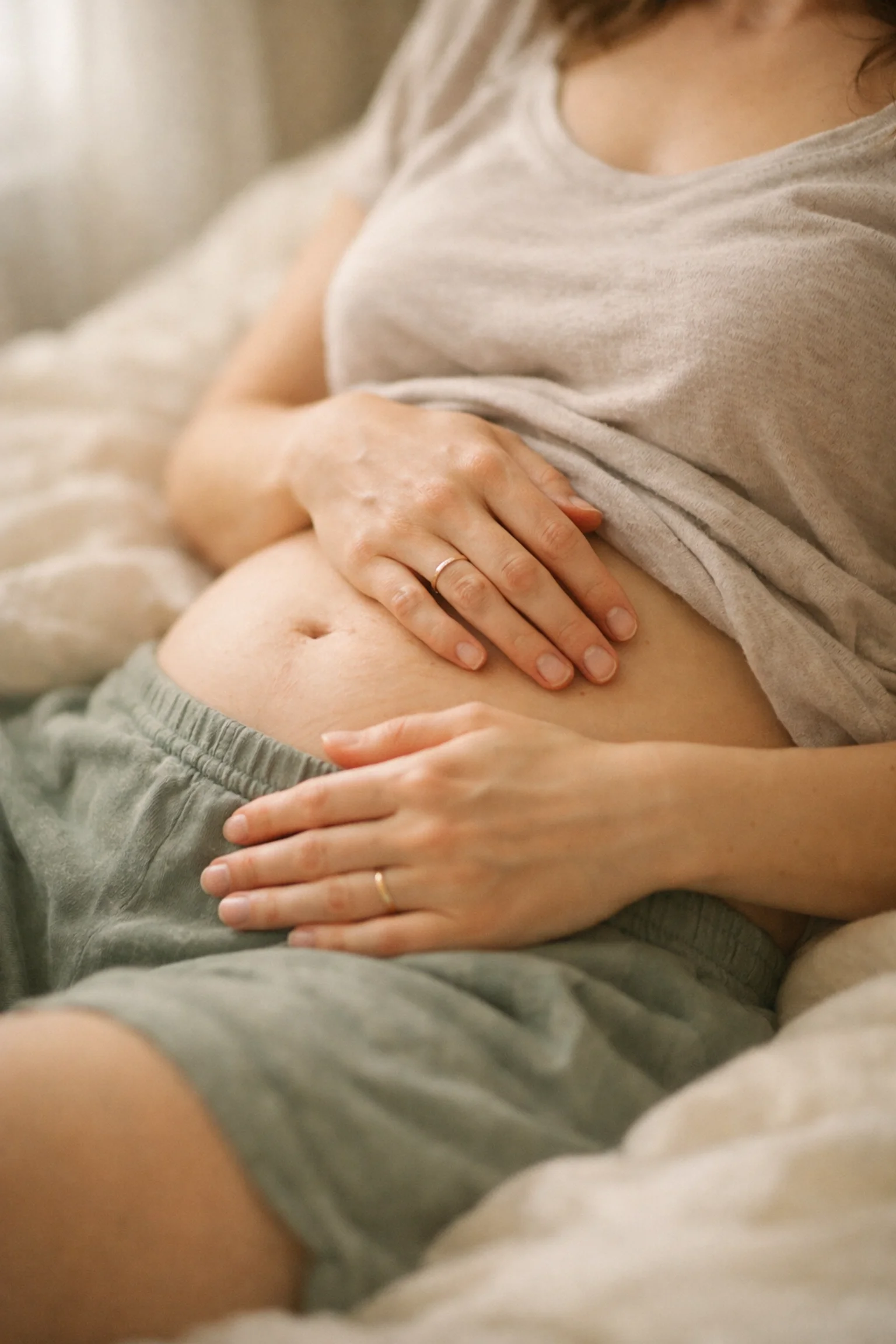
Let's get one thing straight: your hormones don't read adoption paperwork.
After you give birth, your body goes through the exact same hormonal rollercoaster as any other mother. Estrogen and progesterone plummet. Oxytocin surges and then fades. Your thyroid does somersaults. Your prolactin spikes, preparing your body to breastfeed a baby who isn't there.
This isn't just biology trivia, it's your lived experience. These hormonal shifts can trigger:
Postpartum Depression (PPD)
Postpartum Anxiety (PPA)
Intrusive thoughts
Panic attacks
Insomnia
Physical symptoms like chest pain, racing heart, or digestive issues
And here's the cruel part: because you don't have a baby at home, nobody's checking in on your postpartum mental health. You don't get the six-week follow-up where someone asks about your mood. You don't have a pediatrician appointment where you might casually mention you're struggling.
You're expected to just... move on. But your nervous system didn't get that memo.
When It's Not "Just Grief"
I hear this all the time from birth mothers: "My therapist keeps telling me I'm grieving. But this feels like something more."
You're right. It is something more.
Grief is real. Grief is valid. And yes, you are grieving the loss of your child, the loss of the future you imagined, maybe even the loss of your identity as "mom." But grief doesn't usually cause:
Panic attacks when you see pregnant women or babies in public
Intrusive thoughts that loop on repeat ("Did I make the right choice? What if something happens to the baby? What if they hate me?")
Physical anxiety symptoms like chest tightness, nausea, or feeling like you can't breathe
Difficulty sleeping even when you're exhausted, or waking up multiple times with racing thoughts
Numbness or detachment from your own life, like you're watching yourself from outside your body
Suicidal thoughts or thoughts that you'd be better off not being here
Those are clinical symptoms of Postpartum Depression and Postpartum Anxiety. And they can absolutely coexist with grief, or even be mistaken for it.

Research shows that approximately 30% of birth mothers felt pressured or forced into relinquishment, which is linked to greater feelings of regret, worry, and intensified grief. But even mothers who felt completely certain about their decision can still develop PPD or PPA because hormones don't care about your certainty.
This doesn't mean something is wrong with you. It means your brain and body need support to recalibrate after an incredibly complex, traumatic experience.
The Triple Whammy: Hormones + Grief + Stigma
If the hormonal chaos and grief weren't enough, there's a third layer that makes everything worse: social stigma.
Many birth mothers isolate themselves after placement. Maybe you're afraid of judgment from family or friends. Maybe you're tired of explaining yourself. Maybe you feel ashamed, even though you have nothing to be ashamed of.
But here's what happens when you isolate: depression gets worse. Anxiety spikes. Your nervous system stays stuck in survival mode because there's no co-regulation, no safe person to help you feel grounded.
And the medical system? It's not set up for you. Standard postpartum support focuses on caring for a newborn and recovering physically while parenting. But you're recovering physically without the infant care responsibilities, and your emotional needs often exceed those of mothers retaining custody.
You fall through the cracks. Your grief isn't recognized by physicians, social workers, or therapists who haven't been trained to support birth mothers. Your postpartum mental health symptoms are dismissed as "just sadness" or "just the adoption process."
It's not just the adoption process. It's clinical Postpartum Depression. It's Postpartum Anxiety. And you deserve treatment.

What Birth Mothers Need (And Deserve)
So what does actual support look like for birth mothers experiencing PPD or PPA?
1. Validation that what you're experiencing is real
Your symptoms aren't a character flaw or proof that you made the wrong choice. They're a neurological and hormonal response to birth and loss.
2. Clinical assessment for PPD and PPA
Not just grief counseling (though that's important too). You need a therapist who understands postpartum mental health and can assess whether you're dealing with a clinical mood or anxiety disorder that requires specific treatment.
3. Nervous system regulation tools
Your body is stuck in fight-or-flight mode. Learning techniques like breathwork, grounding exercises, and somatic therapy can help you come back to baseline. If you're in New York, Connecticut, or Florida, I work with birth mothers using these exact approaches.
4. Permission to hold two truths at once
You can believe you made the right decision and still feel devastated. You can love your child and feel relief that you're not parenting. You can grieve and experience clinical depression. These aren't contradictions, they're the messy, human reality of your experience.
5. Connection, not isolation
Whether it's a support group for birth mothers, a trusted therapist, or a confidential hotline like the National Maternal Mental Health Hotline (1-833-TLC-MAMA), you need people who see you and don't have an expectation that you must be okay.
You Didn't Just Make a Choice, You Gave Birth

Here's what I want you to remember: You didn't just sign papers and walk away. You carried a pregnancy. You went through labor. You gave birth. Your body did one of the most intense physical and emotional experiences a human can go through.
And then you came home to an empty nursery, or no nursery at all. To breasts that might be engorged with milk for a baby who isn't there. To a postpartum body that's healing while your heart is breaking.
That's not "just grief." That's postpartum, with all the hormonal, physical, and psychological complexity that comes with it. And it deserves to be treated as such.
You're not weak for struggling. This isn't about something being wrong with you; you're simply navigating something complex. You're not selfish for wanting help even though "you chose this." (And by the way, many birth mothers didn't fully choose, they were pressured, coerced, or felt they had no other option. Your feelings are valid regardless).
Getting the Support You Deserve
If you're reading this and thinking, "This is me. This is what I've been experiencing," I want you to know: help is available. You don't have to keep white-knuckling your way through this.
Postpartum Depression and Postpartum Anxiety are treatable. With the right support, whether that's therapy, medication, nervous system work, or a combination, you can start to feel like yourself again. Not the "before" version of yourself, because that person doesn't exist anymore. But a version who can hold this experience, process it, and find moments of peace.
If you're in New York, Connecticut, or Florida, I work with birth mothers navigating postpartum mental health after relinquishment. My approach combines talk therapy with nervous system regulation techniques to address both the emotional and physiological impact of what you've been through.
You can visit this link to learn more about my postpartum therapy services in NYC, or simply reach out and we'll figure out what kind of support makes sense for you.
And if you're not in one of those states? Please reach out to Postpartum Support International or call the National Maternal Mental Health Hotline at 1-833-TLC-MAMA. You deserve care. You deserve recognition. You deserve to heal.
Your body went through birth. Your heart went through loss. Both of those things are real, and both deserve support.
You're not alone in this. And you're not "just grieving." You're postpartum: and that matters.
About the Author
Gayle Weill, LCSW is a licensed psychotherapist specializing in maternal mental health, adoption competency, and adult autism evaluations. She provides virtual therapy to women and mothers in NYC. Through her clinical work, writing, and educational resources, she helps moms of sensitive children regulate their own nervous systems so they can respond with clarity rather than overwhelm.
